Left Behind!

J.M. Smith, You Want to be Left Behind! Essays on the Bible and Popular End-Times Teachings

This is an e-book written by J.M. Smith, who runs the YouTube channel Disciple Dojo, which always recommends books on various biblical topics. The popular End-times teachings he refers to is basically the Pre-tribulation Dispensational Premillennialism. It is like this:

The world will be getting worse before the End comes, including wars, famines, and natural disasters.
The development of such chaos is mapped out in the prophecies of the Old and New Testaments, including those of Daniel, Ezekiel, Matthew, and, of course, Revelation.
One can tell when Jesus comes by noticing the development of events in the Middle East.
One must stand with the modern state of Israel.
When Jesus comes, He will snatch away His believers from this earth to heaven.
Then there will be seven years of tribulation
Then Jeuse comes (3rd time?) and establishes the Millennial Kingdom
Then comes the final judgment

Smith addresses these concepts in his book, including the Rapture, natural disasters, and the role of Israel, among others. His writing is somewhat crisp, but he presents his case clearly.

The biblical truth isThe world has always been imperfect. Wars, famines, and disasters have always been a part of our world. Bad enough.
Prophecies are usually the prophet’s voice for his own age. Thus, the Olivet Discourse of Jesus was about the destruction of Jerusalem and the Temple. Revelation was about the downfall of the Roman Empire.
This book quotes Josephus at length, demonstrating that Jesus’ prophecy regarding the destruction of Jerusalem and the Temple was validated in Josephus’ writings.
That said, the images in prophecies were reused and adapted to new situations. Thus, Revelation draws heavily on images from Daniel. Such images should be interpreted as symbols, not taken literally.
When Jesus comes, the rapture will occur in the sense that Christians will welcome His coming as King, not to be taken away to escape tribulations.

I just don’t understand why people are caught up with the fancy modern day prophecies of speculating when Jesus will come. Such sensational YouTube videos will generate wealth, I suppose. But misinterpretation of the end-time events will lead to:
Biased opinion towards Israel
Unhealthy interest in world affairs and perhaps wrong policy decisions by misled politicians. Smith says, “This type of ‘spiritualizing’ of a current political situation is both ignorant and dangerous.”

The Pre-tribulation Dispensational Premillennialism has been around for some time. I have seen it applied during the Cold War. I am not surprised that people use the same theory in modern-day affairs. I am amazed, though, that people still believe in such teaching.

訪坎培拉6

今天是周末,辦公室及圖書館關門,我不想壞了學校的規矩周末也到辦公室,於是只去了澳洲國家圖書館。

有一本書我到處找不到,但澳洲國家圖書館,雖然這不是重要的參考書,但既然這裡有,於是申請索閱。這書要到 Special Reading Room 看,何時從書庫運抵圖書館不得而知,我估我走之前應可看到吧。

澳洲國家圖書館的中文藏書豐富,可惜幾乎全是閉架,要填表索閱。運到覽閱室後電郵通知領取,頗方便。而且澳洲國家圖書館訂閱了多個資料庫,例如讀秀、中國知網、大成老舊期刊、愛如生古籍等,這些威靈頓都沒有,雖然我用自己的方式也可找到,但在這裡上網使用沒有罪惡感。找到一兩篇我沒有看過的東西,但基本上只能供修補之用。

第一次坐巴士,走路15分鐘到巴士站,下車又要15分鐘到圖書館,似乎走路去圖書館更直接。

今天天氣甚佳,近20度,超大風,可比美威靈頓。風景如畫,令人陶醉其中。但物價不便宜,一包細的邪惡的M&M朱古力,威靈頓自動販賣機賣2.8 (港幣12.42),這裡賣3.7(4.2紐紙,港幣18.65)。坎培拉居大不易。

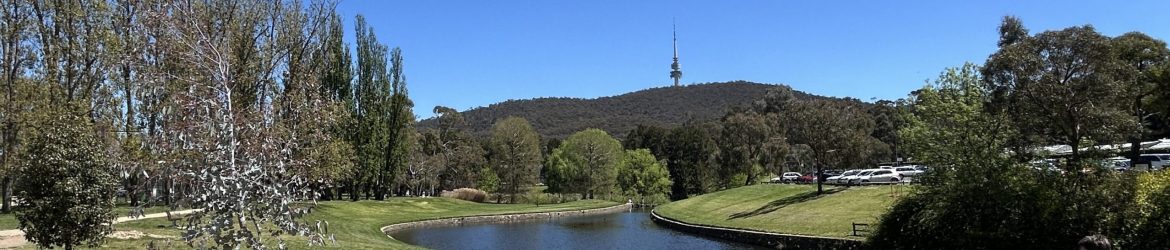
Lake Burley Griffin, 是個人工湖,位於坎培拉中心。澳洲國家圖書館就在湖畔。

The Book of Daniel

Ed Gallagher, The Book of Daniel: Explorations in Christian Scripture (Florence, AL: Heritage Christian University Press, 2024)

Although many view the book of Daniel as a blueprint for what will happen in the End Times, I don’t think Daniel intended to write it. He had something more pressing to attend to.

If we accept that Daniel was written by the real Daniel in the 6th century BCE, or that Daniel wrote Daniel in the 2nd century BCE, the difference is not that significant. In both cases, the prophet acts as a prophet, i.e., to speak on behalf of God. He wants to bring this message to the people:
Things are not going to get better immediately.
God is in control.
Human rulers are not in control.
God has a plan for bringing an end to sin.
It is “a book about conformity, and the resistance to it.” (chapter 1) The oppression is so great that people lose faith in God. They think God is not in control. The prophet admonishes the people to remain faithful to God, regardless of the circumstances.

The story in Daniel is about the Babylonian Empire. Jews were captured and exiled when the Babylonians destroyed Jerusalem and the temple.

The background may be the Greek Antiochus IV Epiphanes, who oppressed the Jews so hard in the 2nd century BCE.

When Revelation employs the images and motifs from Daniel, it serves a similar purpose, namely, to offer hope and encouragement to those who are suffering. Isaiah, Daniel, Ezekiel, Zechariah, Matthew 24, and Revelation dealt with their only historical situation. They use the same kind of language and motifs, but they refer to different people and different times.

Therefore, people often miss the point when they seek a blueprint of God’s end-time timeline in these prophecies. Prophecies do not function thus in OT and NT. Apocalyptic language is used in these prophecies, and literal interpretation won’t work. Numbers are symbolic and figurative, be it Four or Seven, Ten, or Seventy. Dreams and visions might not have counterparts in real life. “The identity of the four kingdoms is irrelevant.” (chapter 1) “The characteristics of these kingdoms remain true for all kingdoms all over the world throughout time.” (chapter 7) “From the perspective of Daniel and Babylon, the kingdom of God is not only future but already present.” (chapter 1)

In short, “It is not the nature of biblical prophecy to give a literal account of events before they take place.”

St Therese of Lisieux

St Therese of Lisieux by Those Who Knew Her: Testimonies from the Process of Beatification, ed. and trans. by Christopher O’Mahony O.C.D.(Hungington, IN: Our Sunday Vistor, 1975.)

This is the second book I have read on St Therese of Lisieux. I found her life appealing. Her simplicity and humility are my example. Having read her story told by herself, it would be good to read how others see her. We all know that our own perception is not necessarily what others perceive us to be.

I just highlighted several observations on the Life of St Therese of Lisieux by others.

“…she never permitted them [the novices] to criticise sermons or conferences. It was not that she thought all priests spoke equally well, but she could not bear for people to dwell on the shortcomings of their preaching.” (p. 38)

“It was in the ordinary details of community living that she sought, and found, these opportunities for acts of charity.” (p. 44)

“Though naturally very sensitive and affectionate, she was very reserved in external signs of affection and her manner imposed a certain respect.” (p. 51)

“Generally speaking, the Servant of God did not attract any attention during her lifetime. Her virtue consisted principally in doing the ordinary things extraordinarily well.” (p. 103)

“To become introverted is to sterilise the soul; one must turn hastily to works of charity.” (p. 129)

“She had great respect for God’s word, and would not allow herself even the slightest criticism of a mediocre sermon.” (p. 192)

“I don’t believe in eternal life; I think that after this life there is nothing. Everything has disappeared on me, and I am left with love alone.” She spoke of this state of soul as a temptation; yet she seemed always so calm and serene.” (p. 195)

“Be very careful; our ‘little way’ could be mistaken for quietism or illuminism if it is badly explained.” “People must not think that our ‘little way’ is a restful one, full of sweetness and consolation. It’s quite the opposite. To offer oneself as a victim to love is to offer oneself to suffering, because love lives only on sacrifice…” (p. 236)

“It is not Mother Prioress that you love; it is yourself. When one really loves, one rejoices to see the beloved person happy. If you loved Mother Prioress for her own sake, you would be glad to see her finding some pleasure at your expense. Since you think she found you less pleasant to talk to than someone else, then you should not be hurt when you appear to have been passed over.” (p. 239)

While in this predicament I was troubled one day about something to do with purity, and I decided to broach the matter to Sister Therese. “I’m afraid you won’t understand anything about my problems,” I said. She smiled and replied: “Do you think purity is a matter of being ignorant of evil? You needn’t be afraid to tell me anything you want to; nothing will surprise me.” After she had comforted me and restored my peace of soul, she made this admission: “There is only one thing that I have not experienced, and that is what is called pleasure in this matter.” And another time this person who was so pure said to me: “When I am alone, whether it is getting up or going to bed, I am always very careful to be as modest as if I were in the presence of others. After all, am I not always in the presence of God and of his angels? This modesty has become such a habit with me by now that I would be incapable of behaving otherwise.” (p. 247-48)

訪坎培拉5

今早繼續到中華全球研究中心,雖然房間不少,但似乎只有兩三間房有人在工作。今早做事的大致跟在紐西蘭做的差不多,但環境寧靜舒服,心境更平和。不過,遠渡塔斯曼尼亞海,始終要好好利用這裡的圖書資源。

今天天氣很好,風稍大,但不冷。校園樹木頗多,草地不少,遠勝威靈頓以及中國港大。

中午在校園一家快餐店堂食燒鴨飯,約港幣100元。午後到圖書館翻書。這圖書館一館多制,大部分的書用國會圖書館分類法,但有些舊書用哈佛燕京分類法,這個我還是第一次看到。

以前這些書屬 Oriental Studies Library, 所以書上的索書號以 OS 開頭。這些都是舊書,紙張滲出陣陣歷史的味道,廁身其間,仿佛進入了學術殿堂。老師的大作也在這裡找到,對上一次的借閱紀錄已是四十年前了。

訪坎培拉4

今天終於大致建立生活節奏了。

早上到辦公室,享受有空調的寧靜空間。中午買食物。午後到 Menzies Library 觀書。

沒有甚麼合用的,只是胡亂翻點書。看了顏清湟的《穿行在東西方文化之間:一位海外華人學者兼社會活動家的回憶錄》([中國]香港:香港社會科學出版社,2008)。顏清湟是南洋大學畢業的,據他說是受中文教育,學位不被新加坡承認,因為英文不好,有自卑感,我感同身受。後來他取得獎學金,到澳洲國立大學讀博士。他曾任港大歷史系教授,但那時我已畢業,加上他研究海外華人,所以我不太了解他的情況。但這書有詳細描述港大歷史系的人事問題,並引趙公謂港大歷史系有癌症。他提及的人物有王賡武、趙令揚、Professor Young, Adam Lui, Michael Luk, KC Fok, ? Chan, Elizabeth Sinn, John D Young…不能盡錄。按書上所說,他是被逼辭職的。

我又看了呂實強的回憶錄,他曾任中央研究院近代史研究所所長,也要面對很多人事問題。

總之,學者跟政棍一樣,也是鬥個不停的。

這裡也是work life balance, 圖書館開 10-4,週末假期不開門;我三點幾有點餓,去買點東西吃,校園有幾間食店,中式似乎是主流,之後打道回府,等待黎明⋯⋯

我的辦公室,一人獨佔,有雙 mon

窗外美景 – 威靈頓窗外是馬路

有空調 – 威靈頓近南極,只有暖氣,沒有冷氣。

訪坎培拉3

昨天的二萬五千步長征有點累,今天要休息!

今早到中國中心,但門卡仍未能運作,我不想打擾職員,反正在裡面也只是上網,於是發了封求助電郵,就轉到Menzies Library.

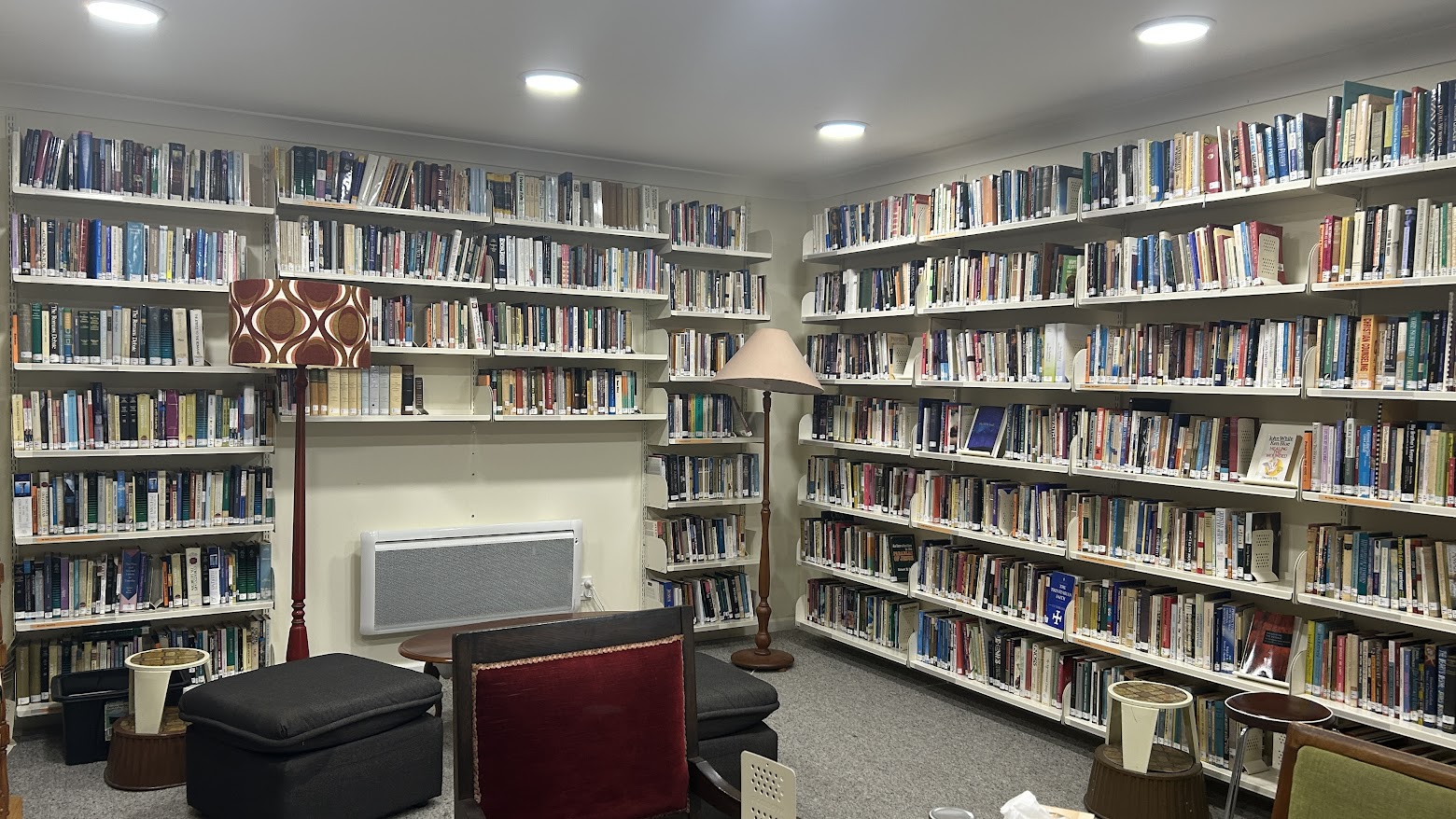
Menzies Library 主力收藏關於東亞研究的圖書,目測藏書約有中國港大圖書館半層。一如所料,與我的研究相關的書不算太多,但我也替導師找到一份材料。

雖然如此,館內有特藏,例如臺灣漢學、藏文文獻等,前者除非改名,否則絕不會在中國港大的圖書館出現,至於後者,不敢說。

(補:維多利亞威靈頓大學最近沒有理會中華人民共和國領事館的反對,如期舉辦了一個關於臺灣的研討會。)

臺灣漢學資源中心

藏文文獻

二十四史。這種櫃只在書本上見過,第一次見到實物

殘荷廳

中華全球研究中心門外的庭院,頗有中國feel.

訪坎培拉2

今天一大早到學校附近的亞超(可能是中超)買食物,因為昨天只能買到一些,不再買就要節食了。那店在校園內,貨品齊全,但蔬果不太新鮮,決定下午遠征到別處再買。

第一站是ANU Security Office, 因為要辦 ID 卡,我找到了建築物,卻不見 “Security Office” 的水牌。我硬著頭皮找了一個貌似職員的問了一下,她看了我的信件,反問我為何要找 Security Office!之後她說會幫我跟進,但芳踪沓然。剛巧有一學生來補領學生證,我就跟著他問另一職員,他很快就給我搞定,還馬上製好有照片的 Staff ID 卡,有效期至 2030 年!!

下一站是重點 China in the World Centre. 那裡的環境頗中國化,演講廳叫殘荷廳。一位職員帶我到我的 office, 裡面有兩個座位,但只有我一人。這裡的茶水間有桌椅,可容納多人,看來規模不小。這個 Centre 是屬於法律學院的,並非文學院。

職員又帶我到圖書館,是專存放亞洲文獻的,有一層專門收藏中日韓書籍及期刊。她又引領我到善本書室,裡面有聞名已久的許地山藏書。

下午我到澳洲國家圖書館,入門前職員攔下我,說我不能帶背包入內,要放樓下的免費儲物櫃。我不懂操作,只好打電話問,對方說操作方法已寫在櫃門!不過,其實不是每個門都有貼上操作方法。

走進圖書館,因為不懂操作,又要硬著頭皮問人。我其實是預先看過的,但其中有一項是要填你是否在/將會在澳洲生活。我明明不是,但不填就無法前進,所以要現場問人。職員說填是就可以了!於是,我成功索閱了第一本書,等了約一小時,收到電郵說書已備妥可取。走到櫃枱,職員很快拿了出來,並馬上替我辦了圖書證。規矩也簡單,看完放進回收箱即可,但如果未看完,可以連同取書紀錄一併放進暫存箱,下次憑證再取,可存七天。

我發現,有不少人都帶著大包小包背包進圖書館,大概我不是公民,獲特別對待吧。

覽閱室人不太多,都是專心致志地工作。我借的書其實是替導師借的,並用手機拍了相關頁數。我看過他們的網頁,是鼓勵用手機拍的,自律守版權法即可。我自己要看的書其實不多,主要是方志,但中國香港大學也有。

之後就要去找吃的了。走了很遠找到間 ALDI,蔬果頗新鮮,買了些就步行回校,要走半小時左右。

總計今天走了2萬5千步,極累。

ANU校園一角

ANU校園二角。這個地方女兒曾拍過照,我寄給她看我今天拍的,她說很詫異我還記得。那些年那些事,怎能忘記呢。

澳洲國家圖書館

澳洲國家圖書館門前

坎培拉中心是個人工湖,國會、圖書館、博物館、藝術館等都在湖邊。可以沿湖邊散步,水鳥在悠閒看人。

訪坎培拉1

小時候知道有坎培拉這地方,應該是在電視的天氣報告聽到的,不過在地球邊緣,有時就因為時間關係不提及,而威靈頓,更是外圍的外圍,多數沒有提及。稍長,知道澳洲國立大學的中文系甚有實力,早年有柳存仁坐鎮,道教是顯學;許地山的藏書也給ANU買下來。

今次有機會到此一遊,目的是一開眼界。不過,中國古代史宗教史等好像已非重點,我見他們的博士生研究的題目都在其他方面。

今早兩點九起床,雖然四點才可以寄行李,但早到保險些。今次學乖了,要政治正確了, check in 時一律填中國,不要選中國香港,結果順利批出登機證。不過,紐西蘭仍奉行一國兩制,大陸護照可電子過關;中國香港護照要人手處理,是曲線承認仍有兩制。

在雪梨入境清關,原以為又要翻箱倒籠檢查,最少也要給狗狗嗅嗅,今次居然完全沒有,直出大堂。但這只是災難的起頭。澳航在T1有自家的轉乘內陸航線櫃位,可寄行李,又有免費巴士直送T3. 但這自家的安檢只有兩條線,而所有轉內陸機的都要塞在一起等巴士。加上指揮的地勤優待遲到的乘客,我在那裡等了2小時才擠上巴士。如果我乘機場巴士或火車,雖然要錢,但快!而且T3安檢有七八行,一加一減更化算。我早到,本來是想在機場坐下休息,結果,早到要罰企!!另外,上巴士前又扮科學化分組上車,但上車後馬上混為一體,登機仍舊一片混亂,無謂之至。總之,見到閘口有ABC等分號的,一定沒有好結果,例如雪梨26閘一個閘有A到F六線,聞名喪膽,混亂的情況不可想像。

坐螺旋槳飛機到坎培拉,在停機坪走小樓梯下機, 大有時光倒流七十年之感。甫下機場,感覺機場總人數還不及雪梨一個登機閘口。坐下點了一個我會吃的東西,填飽肚子等夠鐘 check in 大學住宿。怎知Uber突然漲價一倍,上一分鐘是27元,下一分鐘變成了50元。但既然不能走路去,只好照付款。

住宿的環境一流,清靜,只有鳥聲,見到兔仔。但適逢勞動節假期,我要找的地方全關了門;想買食物,附近又沒有超市,結果走了老遠才買到牛奶牛油,卻沒有面包;最終仍是買了幾包公仔面。回程時見一家刀削麵有開門(其他不是已關門就是要加15%),吃了碗紅燒牛肉麵, 口味極重, 應可脹到明天.

ANU提供的宿舍, 清靜無擾。

路上無人, 但花甚可觀.

我掛單兩個星期的地方.

街角一景

不知何許人也,在鬧市中吹Saxophone,帶來小確幸。

Melaleuca comboynensis 紅千層

Hebe diosmifolia 長階花

Genista stenopetala 金雀花